

Gangane, Locks, and Coral: The Hidden Language of Traditional Jewelry in Ciociaria
03-02-2026
The Symbolic Value of Folk Jewelry
In traditional Ciociaria, jewelry was never just an ornament. Every shape, material, and name carried a profound meaning, deeply connected to everyday life, the female body, and the key stages of existence.
In this ancient world, jewelry was more than an accessory — it was language, identity, and protection. This is the world where the iconic Gangane and Locks earrings were born, timeless symbols of Ciociarian culture.
Gangane and Locks: The Earrings of Ciociarian Women
Usually crafted in yellow gold, the earrings known as gangane or lucchetti (locks) are distinctive for their large size and hollow structure. Often slightly mobile, they could reach down to the shoulders, creating a majestic and powerful look when paired with the traditional Ciociarian costume.
Their design was far from decorative whimsy — it symbolically recalls the womb and the generative power of women.
Wearing these earrings meant embodying the dignity and strength of womanhood, an essential figure in preserving and transmitting cultural identity within the community.
A Symbol of Status and Belonging
Not every woman could wear gangane or locks. These jewels were reserved for married women or those of marriageable age, making them visible signs of status and maturity.
They were also a form of tangible wealth — a personal and family “treasure,” often passed down from mother to daughter.
Even the size of the earring had meaning: the larger and heavier it was, the greater the social prestige of the woman who wore it.
The Meaning Behind the Names: Gangane, Locks, and Boccole
The vocabulary of Ciociarian jewelry is full of symbolism:
Gangane derives from the idea of perforation — the act of piercing the ear, itself a symbolic gesture of transformation.
Locks (lucchetti) evoke the notion of closure, protection, and union, often associated with marriage and the guarding of femininity.
In some dialects, we find boccole, meaning “little mouths” — another subtle reference to the body and its generative symbolism.
The Coral Necklaces of the Wet Nurses: Protection and Prestige
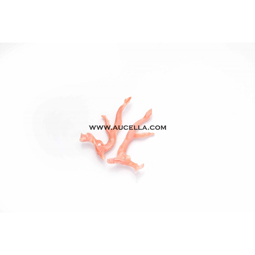
Alongside earrings, another essential element of Ciociarian jewelry was the coral necklace, traditionally worn by wet nurses.
These women, central to family and community life, adorned themselves with strings of red coral, often made of large, visible beads. The material was not chosen at random — red coral has long been associated with life, protection, and vitality.
For wet nurses, the coral necklace had a double purpose: to protect both themselves and the infants they nursed. At the same time, it served as a social symbol of respect and recognition for their vital role in the community.
Jewelry as a Reserve of Value and Memory
In the rural economy of Ciociaria, where land was the main form of wealth, jewelry became a reserve of value and identity.
Gold, coral, and fine craftsmanship condensed personal meaning, heritage, and memory. Each jewel told not only the story of the woman who wore it but also that of her family and region.
A Language That Still Speaks Today
Today, gangane, lucchetti, and coral necklaces live on — displayed in folk museums, historical costumes, and reinterpreted by contemporary artisans inspired by tradition.
Behind every design survives an ancient language of symbols, binding together body, community, and identity.
Rediscovering these jewels means reclaiming a cultural heritage that continues to inspire the present — a heritage where jewelry is not just an accessory, but a story of belonging and a bridge between past and present.



Leave a Message
Click here to use Whatsapp